Column · @holdenzvxt255
The Relevance of Proper Drainage in Paving Installation: Tips for Bay Area Houses
Introduction
In the attractive Bay Area, where rolling hills satisfy seaside elegance, home owners frequently seek to boost their buildings with visually pleasing exterior rooms. One reliable means to accomplish this is with leading installment, specifically utilizing interlacing pavers that not just provide resilience but additionally include visual allure. Nevertheless, one critical facet that can not be overlooked is proper drain during the installment procedure. This article will dive deep into The Relevance of Correct Drainage in Paving Installation: Tips for Bay Area Homes, checking out why it matters and how home owners can ensure their paving projects stand the test of time.
The Significance of Appropriate Water Drainage in Paving Installment: Tips for Bay Area Homes
Proper drain is commonly the unhonored hero in leading installments, particularly in areas like the Bay Area where rainfall can be uncertain. Ignoring this critical component can result in a waterfall of issues varying from unattractive puddles to comprehensive residential property damage. When you purchase high-quality products like interlocking pavers, guaranteeing that they are set up with adequate drainage comes to be necessary for longevity and functionality.
Understanding Drainage Needs
Before diving into any kind of paving task, it's essential to evaluate the certain drainage demands of your space. Every property has distinct qualities; variables such as soil kind, slope gradient, and existing drain systems need to all be considered.
- Soil Type: Different soils have varying absorption rates. Sandy dirts drain well while clay soils tend to retain water.
- Slope Gradient: A property with a high slope will certainly trigger water to run off promptly, whereas a flat location may call for added measures to stop pooling.
- Existing Systems: Recognizing existing water drainage systems on your building assists identify necessary adjustments or enhancements.
Consequences of Poor Drainage
- Water Pooling: Without appropriate drain, water will accumulate on your smooth surface areas, developing unsafe conditions and potentially damaging the integrity of the pavers.
- Erosion: In time, stagnant water can deteriorate the underlying soil framework, leading to irregular surfaces and possible sinkholes.
- Mold and Mildew Growth: Excess dampness develops an environment ripe for mold and mildew development which can pose health risks and diminish visual appeal.
- Cracks and Shifting: Improper drain can trigger pavers to change or crack as a result of freeze-thaw cycles or dirt erosion below them.
Choosing the Right Interlocking Paver Installer
When it comes to leading installments that need careful attention to detail-- particularly regarding drain-- choosing the ideal paver installer is crucial.
Experience Matters
Look for installers that have a proven performance history with interlocking pavers and recognize local water drainage obstacles particular to Bay Location homes. Experienced paver installers will certainly recognize with:
- Local weather condition patterns
- Soil conditions regular in your area
- Effective design approaches for ideal drainage
Ask Concerning Their Water drainage Solutions
A competent installer need to offer numerous options customized to your particular needs:
- French Drains: These are trenches full of gravel that redirect surface water far from led areas.
- Permeable Pavers: Utilizing absorptive interlacing pavers enables water to permeate with into crushed rock beds below, advertising all-natural drainage.
- Swales: Shallow networks developed to redirect stormwater runoff efficiently without pooling.
Designing for Ideal Drainage
Design plays an essential duty in guaranteeing proper water drainage throughout paving installation.
Slope Considerations
A minor slope (around 2% quality) away from structures guarantees water streams naturally far from your home's structure, minimizing prospective damage.
Using Grading Techniques
Proper grading methods involve adjusting the land contour before putting down pavers:
- Ensuring a consistent slope
- Creating channels or swales
- Utilizing preserving wall surfaces where necessary
Integrating Natural Features
Incorporating natural landscape aspects such as trees or bushes can aid absorb excess water while improving aesthetics.
Materials Choice Matters
Not all materials are produced equal when considering durability and efficiency concerning drainage.
Types of Interlocking Pavers
Choosing ideal interlacing pavers dramatically affects both look and capability:
- Concrete Pavers: Recognized for their stamina and resilience; exceptional selections for high-traffic areas.
- Clay Pavers: Deal an attractive visual however might need extra care pertaining to moisture management.
- Permeable Pavers: Allow rainwater infiltration which minimizes overflow; suitable for ecologically aware homeowners.
Installation Methods That Promote Proper Drainage
During setup, numerous methods can be employed by skilled paver installers that make sure long-lasting outcomes concerning drainage:
Base Preparation Techniques
A properly ready base layer is fundamental:
- Excavate at least 6 inches deep depending upon website traffic loads.
- Use compressed crushed rock or smashed rock as a base product-- this aids in assisting in drainage.
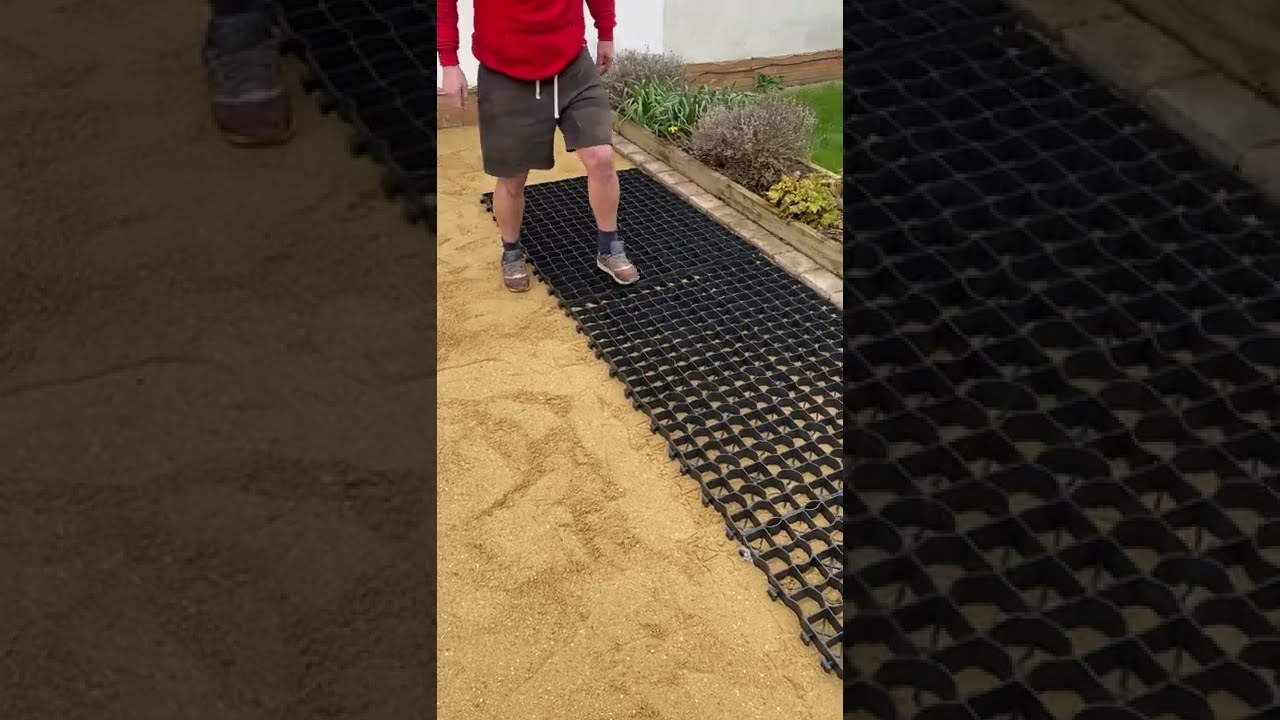
- Install a geotextile fabric layer if needed; this stops dirt from combining with gravel while enabling water flow.
Joint Sand Usage
Using polymeric sand in joints in between interlocking pavers aids seal voids against wetness penetration while permitting some permeability-- this reduces weed growth too!
Maintenance Strategies for Lasting Performance
Once installed, maintaining proper operating paver driveway Walnut Creek needs recurring interest-- specifically concerning water drainage systems:
Regular Inspections
Inspect your smooth area frequently for indicators of pooling or disintegration-- addressing little problems prior to they rise saves money over time!
Cleaning Drains pipes Regularly
Ensure drains pipes continue to be free of particles by cleaning them regularly-- stopped up drains lead straight back right into inadequate efficiency relating to water management!
FAQs concerning Correct Drain in Paving Installation
1. What occurs if I disregard appropriate drainage throughout leading installation?
Neglecting proper water drainage can result in severe concerns like disintegration, standing water, mold growth, splits in pavers, and costly fixings down the line.
2. Just how can I tell if my existing pavement has sufficient drainage?
Signs consist of merging water after heavy Pleasant Hill paver installation services rainfalls, fractures forming on smooth surfaces, or greenery growth around edges showing too much moisture retention.
3. Do absorptive pavers need unique maintenance?
Yes! While they help manage stormwater successfully by permitting seepage with their surface area layers-- they still require routine cleansing and occasional reapplication of joint sand every couple of years.
4. Can I mount pavers myself without expert help?
While DIY setups are feasible-- the complexities included with making certain appropriate slopes/drainage typically make working with skilled professionals recommended!
5. What products are best suited for improved driveway performance?
Using concrete/block-based options combined with polymeric sand enhances stability while promoting efficient durability against moisture-related issues!
6. Ought to I think about natural landscaping features alongside my paved areas?
Absolutely! Integrating plants/trees not only enhances your space but likewise help absorption & & management-- producing consistency in between nature & & hardscaping efforts!
Conclusion
In conclusion, understanding The Relevance of Proper Drainage in Paving Installation: Tips for Bay Area Homes can not be overemphasized when preparing any exterior project involving interlacing pavers or comparable materials! By focusing on sufficient preparation via cautious assessment/design choices integrated with reliable installation techniques-- you'll set yourself up not simply for prompt fulfillment however long-lasting success!
Investing time ahead of time guarantees peace-of-mind knowing every step taken shields both financial investment & & setting alike! So prior to starting this journey in the direction of boosting your home's visual appeal-- take these ideas seriously & & engage qualified professionals that value each aspect-- including effective draining solutions!